


Every year, a few families arrive at a Philippine airport with their bags packed, their hearts set on seeing Lola and Lolo, only to get stopped at the counter over paperwork nobody told them about. It usually isn’t the flight that trips them up. It’s the documents required when traveling to the Philippines with a minor child, especially when both parents aren’t making the trip.
This isn’t the most exciting part of planning a homecoming, but it’s one of the most important. Here’s what actually applies to your family, broken down by the part of the journey it affects.
A quick, important note before we start: rules around minors, citizenship, and custody are genuinely complex and can change. This guide explains the general picture of traveling to the Philippines with a minor child. It is not a substitute for confirming your specific situation with the DSWD, the Philippine Bureau of Immigration, a Philippine consulate, or an immigration attorney well before you fly.
The Part Many Fil-Am Families Don’t Expect
Here’s the detail that catches people off guard: a child born in the US to a Filipino parent may be a Filipino citizen too, even if they’ve only ever carried a US passport. Philippine citizenship can pass by descent, and plenty of Fil-Am kids qualify without their parents realizing it.
Why does that matter? Because several of the rules below apply specifically to Filipino minors, not just to Philippine passport holders. If your child could be a dual citizen, we advise you to confirm that status before you travel, since it changes which requirements apply to your family.
Leg One: The Consent Letter for Leaving the US
The United States doesn’t legally require a consent letter for a child traveling internationally with only one parent or another relative. That said, US Customs and Border Protection strongly recommends carrying one, and plenty of airlines and foreign border officials ask for it in practice.
A solid consent letter typically includes:
- The child’s full name and date of birth
- The traveling adult’s name and relationship to the child
- Destination and travel dates
- A statement that the non-traveling parent(s) consent to the trip
- Contact information for the non-traveling parent
Getting it notarized is a good extra step, even though it isn’t strictly mandatory. If you’re traveling with a child whose last name differs from yours, or if you’re a grandparent, aunt, uncle, or family friend bringing a child home to visit relatives, this letter is worth having in hand before you even get to the airport.
Leg Two: Entering the Philippines and the Waiver of Exclusion Ground
Once you land, the rules for traveling to the Philippines with a minor child depend heavily on your child’s citizenship and who they’re traveling with.
If your child is a US citizen (not a dual Filipino citizen), under 15, and traveling without at least one parent, they generally need a Waiver of Exclusion Ground (WEG) from the Philippine Bureau of Immigration. This applies, for example, to a child flying in with grandparents while both parents stay home. You can request a WEG in advance or process it on arrival; it requires a government fee and a notarized affidavit of support and consent from a parent.
If your child is traveling with at least one parent, a WEG generally isn’t required, and the standard entry documents apply: a valid passport, the mandatory eTravel registration completed within 72 hours of arrival, and any visa your child’s nationality requires.
Kids aged 15 to 17 don’t need a WEG, but immigration officers may still ask for written parental consent, so it’s worth carrying that letter from Leg One regardless of your child’s age.
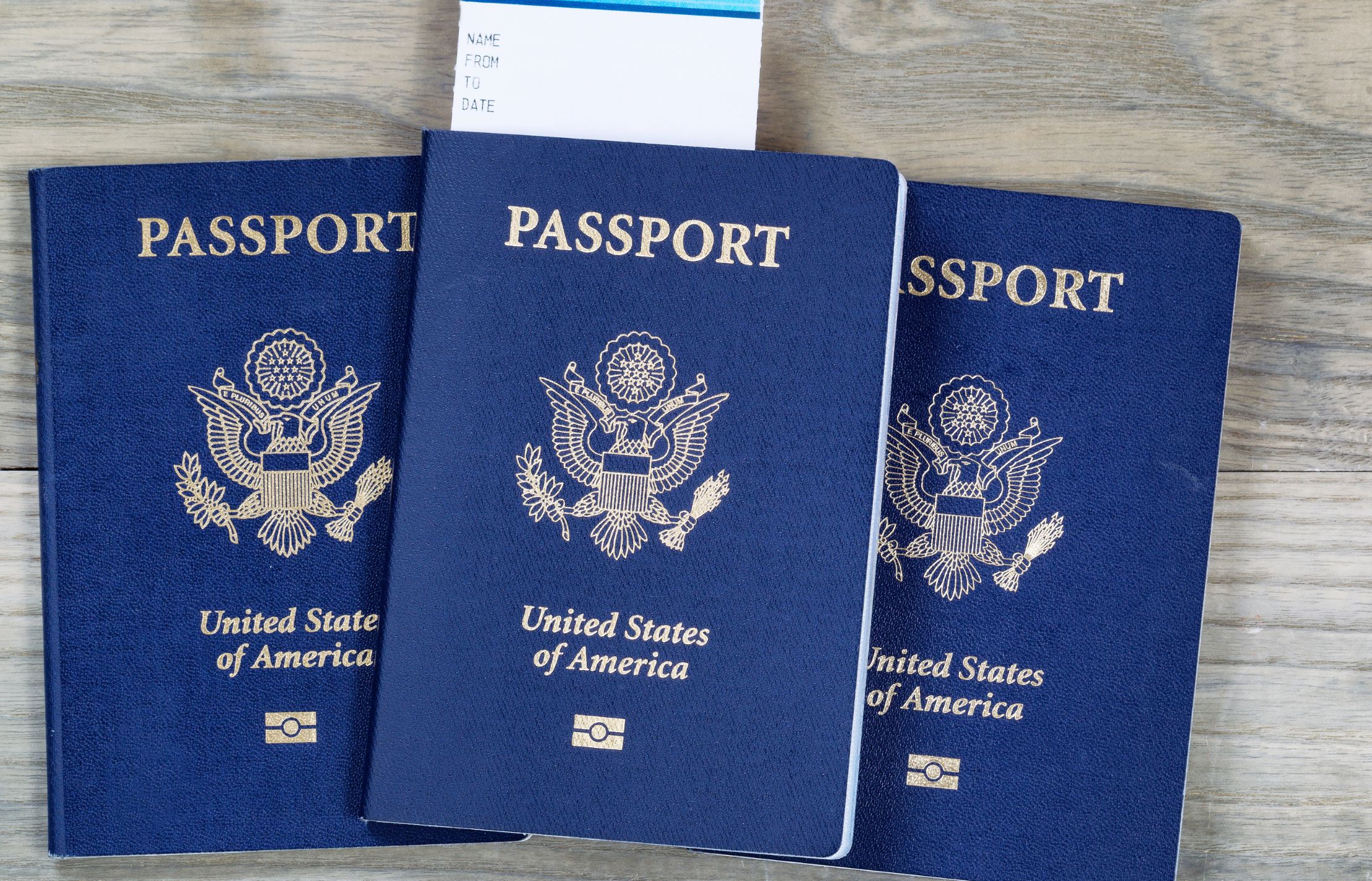
Leg Three: The DSWD Travel Clearance for Flying Home
This part of the trip surprises most families, especially those who didn’t realize their child might hold Filipino citizenship.
If your child is a Filipino citizen (including many Fil-Am dual citizens) and is leaving the Philippines without both parents, whether traveling alone, with one parent only, with a grandparent, or with another guardian, they generally need a DSWD Travel Clearance before departure.
This rule exists to prevent trafficking and unauthorized removal of Filipino minors from the country, and immigration will check for it at the airport.
A DSWD Travel Clearance typically requires:
- A notarized affidavit of consent and support from the parent(s) not traveling
- Proof of relationship (birth certificate, marriage certificate, or guardianship documents)
- Valid ID for the consenting parent or guardian
- In some cases, a short interview with a social worker
Processing isn’t usually instant. Plan for it well ahead of your return flight rather than assuming you can sort it out at the airport.
Costs and Processing Times at a Glance
| Document | Typical cost | Processing time | Validity |
|---|---|---|---|
| Consent letter (US departure) | Free to write; a small notary fee applies | Same day, once notarized | No fixed expiration, but re-sign if your trip is far in the future |
| Waiver of Exclusion Ground (WEG) | Around PHP 3,120 | Can be applied for in advance, or processed on arrival | Single entry |
| DSWD Travel Clearance | PHP 300 (1 year) or PHP 600 (2 years) | Typically several business days, sometimes longer | 1 or 2 years, covers multiple trips within that window |
These figures come from official guidance current as of this writing, but fees and processing times can change. Confirm the latest details with the DSWD or Bureau of Immigration before you apply.
Why This Is Worth Sorting Out Before You Book
A missing document doesn’t just cause a stressful conversation at the airport. It can mean missing a flight entirely, which unravels every other connection, hotel, and plan built around it. This is exactly the kind of detail a real travel agent can flag early, before it becomes a problem at the counter — especially since so few families realize what traveling to the Philippines with a minor child actually requires until they’re already at the gate.
When you book a family trip through ASAP Tickets, our agents ask about who’s actually traveling, not just how many seats to book. If your family’s situation involves a child traveling with one parent, a grandparent, or a guardian, mentioning that up front means we can point you toward the right resources while there’s still time to prepare.
If you’re planning the broader trip, our guide for Fil-Am parents planning a family trip to the Philippines covers destinations and long-haul tips with kids, and our piece on the balikbayan privilege explains how former Filipino citizens can stay longer than the standard 30 days.
Quick Reference: Who Needs What
| Situation | What to prepare |
|---|---|
| Traveling to the Philippines with both parents | Standard documents only (passport, eTravel, visa if required) |
| Traveling with one parent only | A consent letter from the other parent (recommended, not required by the US) |
| Traveling with a grandparent, aunt, uncle, or guardian (child is a foreign/dual national under 15) | Consent letter for departing the US, plus a Waiver of Exclusion Ground on arrival in the Philippines |
| Filipino citizen child flying home to the US without both parents | A DSWD Travel Clearance before departure from the Philippines |
| Child aged 15–17 without a parent | No WEG required, but carry a written consent letter |
Pro Travel Tip: If there’s any chance your child will need a DSWD Travel Clearance for the return leg, start that process early rather than waiting until the days before your flight home. Processing takes time, and a clearance is valid for a year, so it can cover future trips too.
Frequently Asked Questions
What documents do I need when traveling to the Philippines with a minor child?
It depends on your child’s citizenship and who’s traveling with them. At minimum, bring a valid passport and complete eTravel registration. If your child is traveling without both parents, a consent letter is strongly recommended for leaving the US, and depending on citizenship and age, a Waiver of Exclusion Ground or DSWD Travel Clearance may apply.
Does my Fil-Am child need a DSWD Travel Clearance?
Only if your child is a Filipino citizen and is leaving the Philippines without both parents. Many Fil-Am children hold dual citizenship by descent without their parents realizing it, so it’s worth confirming your child’s citizenship status before you travel.
What is a Waiver of Exclusion Ground?
It’s a document issued by the Philippine Bureau of Immigration for foreign or dual-citizen children under 15 who are entering the Philippines without at least one parent. You can request it in advance or process it on arrival; it requires a government fee and a notarized affidavit.
Do I need a notarized letter if I’m traveling with my child and my spouse?
No. If both parents are traveling with the child, none of the documents above typically apply. You just need the standard passport, eTravel, and visa (if required).
How far ahead should I start this paperwork?
As early as possible, ideally when you first start planning the trip. A DSWD Travel Clearance, especially, can take time to process, and it’s much easier to sort out before you fly than to scramble for it while already in the Philippines.
Is this the same as an eTravel registration?
No. eTravel is a separate, mandatory registration for all arriving passengers, adults and children alike. Consent letters, WEGs, and DSWD Travel Clearances are additional documents that may apply specifically to minors, depending on their citizenship and who they’re traveling with.
Final Thoughts: A Little Paperwork Now Saves a Lot of Stress Later
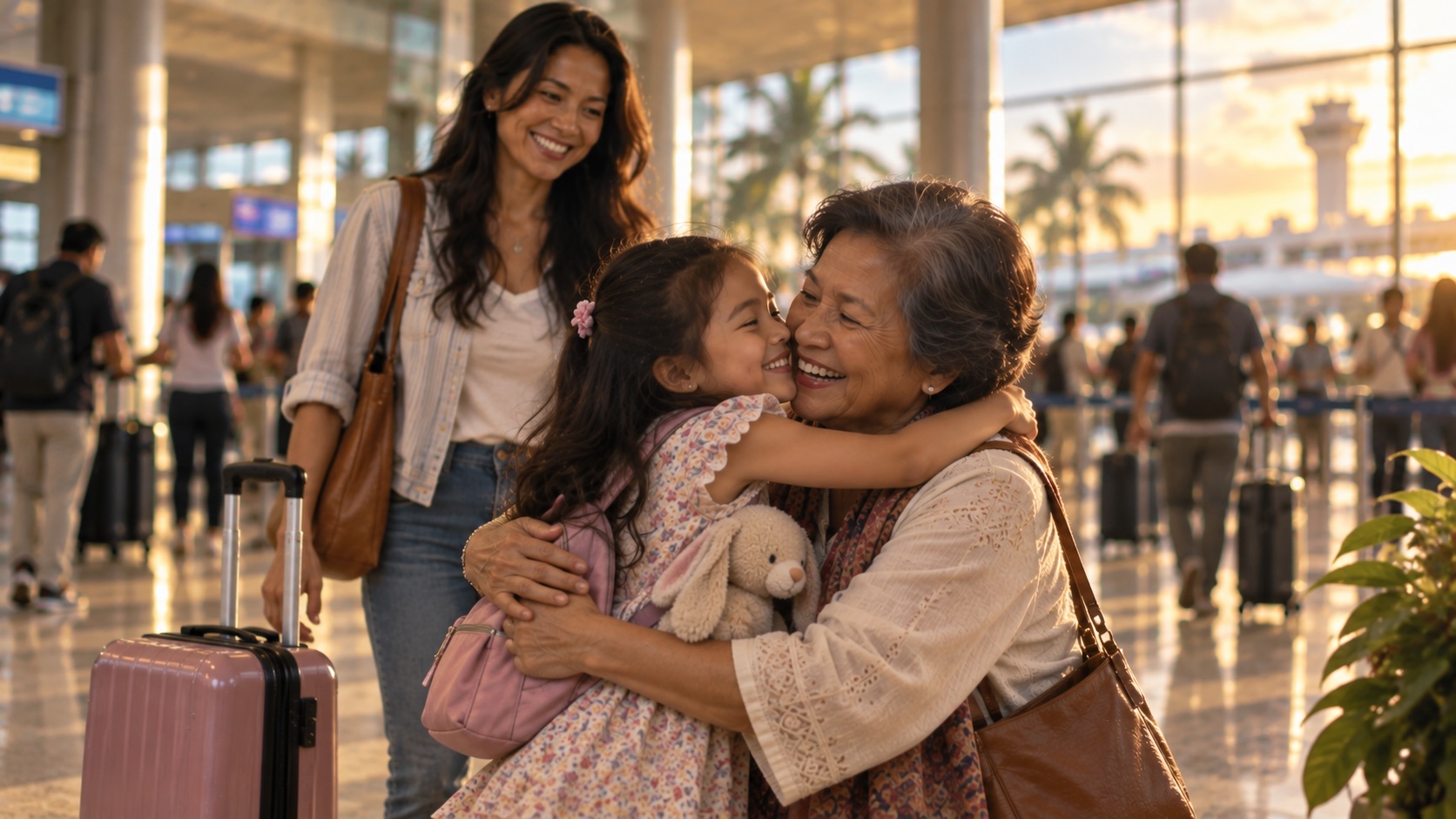
None of this is meant to make a trip home feel complicated. It’s meant to make sure the trip actually happens the way your family planned it, without a document you didn’t know you needed standing between your kids and their Lola and Lolo.
Confirm the specifics with the DSWD, the Bureau of Immigration, or a Philippine consulate well before you fly, and when you’re ready to book, let a real person help you plan around it. Call our ASAP Tickets travel experts, available 24/7, at (844) 300-7983 to start planning your family’s trip home.

Get it right to your inbox by subscribing to ASAP Tickets weekly emails featuring the hottest flight deals from US to the .
Massive savings • Unsubscribe at any time.
You were sucessfully subscribed
Please check your inbox to confirm the subscription